
The best camera for nature photography will set you back by a few thousand dollars. But you don't need the "best" camera to get started in nature photography. Most of us mistakenly believe we need state-of-the-art gear to take amazing pictures. The fact is, you don't need to spend any money to get started in nature photography. Just use your mobile phone for now. You can upgrade to a proper camera once you master the basics.
The Best Camera Is the One You Have...
So, you can start taking gorgeous photos today. Right now. Head out and try your hand at photographing different subjects. Flowers and trees are a good start. Then, look closely at the details: the texture of the leaves and tree trunks, the curve of the flower petals, the acorn or the tiny mushroom, and so on. Soon, you will train your eyes to see the wonders of nature.
Types of Nature Photography
You can take many types of nature photos, from aerial and astrophotography to macro. Mastering the different types of photography will take years, so it's a good idea to focus on simple nature photography before buying exclusive and expensive gear.
For some, the sunset and sunrise images may make you feel alive; for others, the intricate flowers can make their hearts sing. Try as many genres as possible with your mobile phone—you can even take macro photos if you have the latest iPhones. It's also worth trying mobile phone lenses from brands like Moment, Apexel, Neewer, etc.
What Is the Purpose of Your Photography?
It takes years of consistent practice to become a great photographer. Buying expensive equipment can help in a way, but it is not a surefire way to succeed. Before spending your hard-earned cash, ask yourself what you want to do with your photography.
1. Are you just taking pictures as a hobby?
2. Will you post them on Social Media?
3. Do you want to sell your pictures to stock websites or magazines?
4. Will you exhibit your pictures?
5. Do you intend to submit them for photography competitions?
These questions are to ensure you have the right intentions and expectations, not to squish your enthusiasm. Having a clear purpose in your mind will save time and money in the long run!
Camera Basics
Although we are not learning the camera basics here, it's essential to have an overview so that you can make informed choices.
With cameras, there are two types.
Full frame: The sensor is the same size as the 35mm film camera; Great image quality; Professional's choice
Cropped Sensor: The sensor is 1.5 to 1.6 times smaller; Decent image quality; Beginner and enthusiast's choice
Camera Resolution: The size of your images; 18 megapixels and above is a good start
Lens Basics
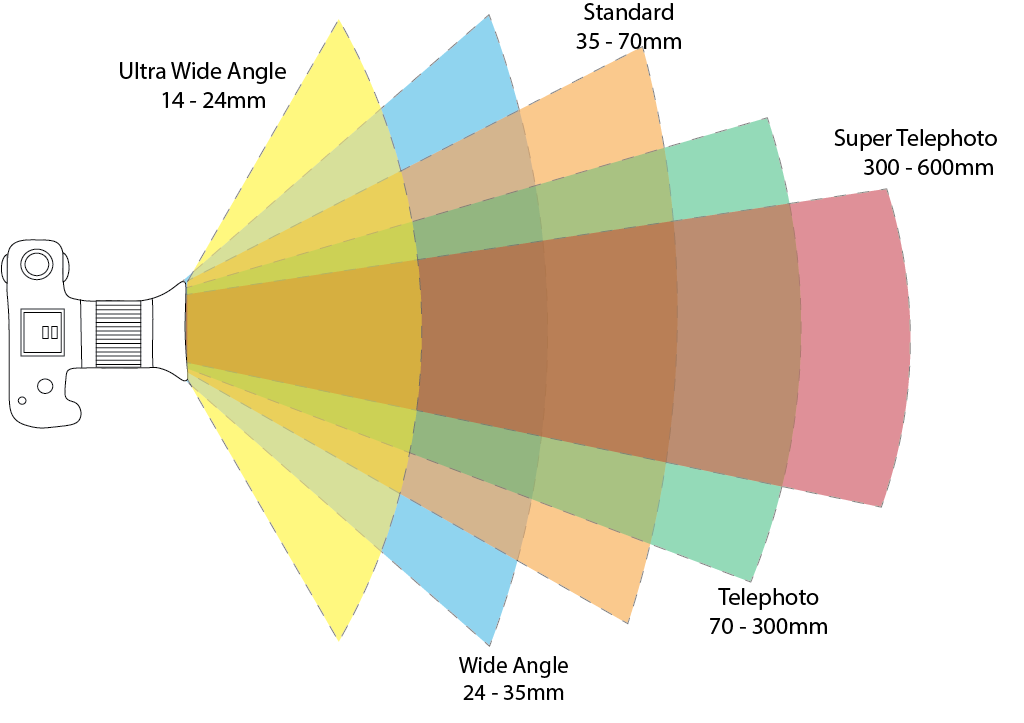
The lens's focal Length is how much of the scene it captures. It can be a wide view or zoomed in.
1. Ultra Wide Angle: 8 to 20mm
2. Wide Angle: 20mm to 35mm
3. Standard: 35mm to 70mm
4. Short/Medium Telephoto: 85 to 200mm
5. Super/Ultra Telephoto: 200 to 1200mm
Lenses can also be categorized into two types:
Prime: Fixed focal length; You have to move back or farther, i.e., zoom with your legs; Ex. 50mm f1.4
Zoom: Variable focal length; The lenses can move in and out; Ex. 24-70mm f2.8
Best Cameras for Nature Photography
It is not realistic to give an umbrella camera for all types of photography, but there is a general guideline that works well for most. Note that I'm covering only the three major camera manufacturers.
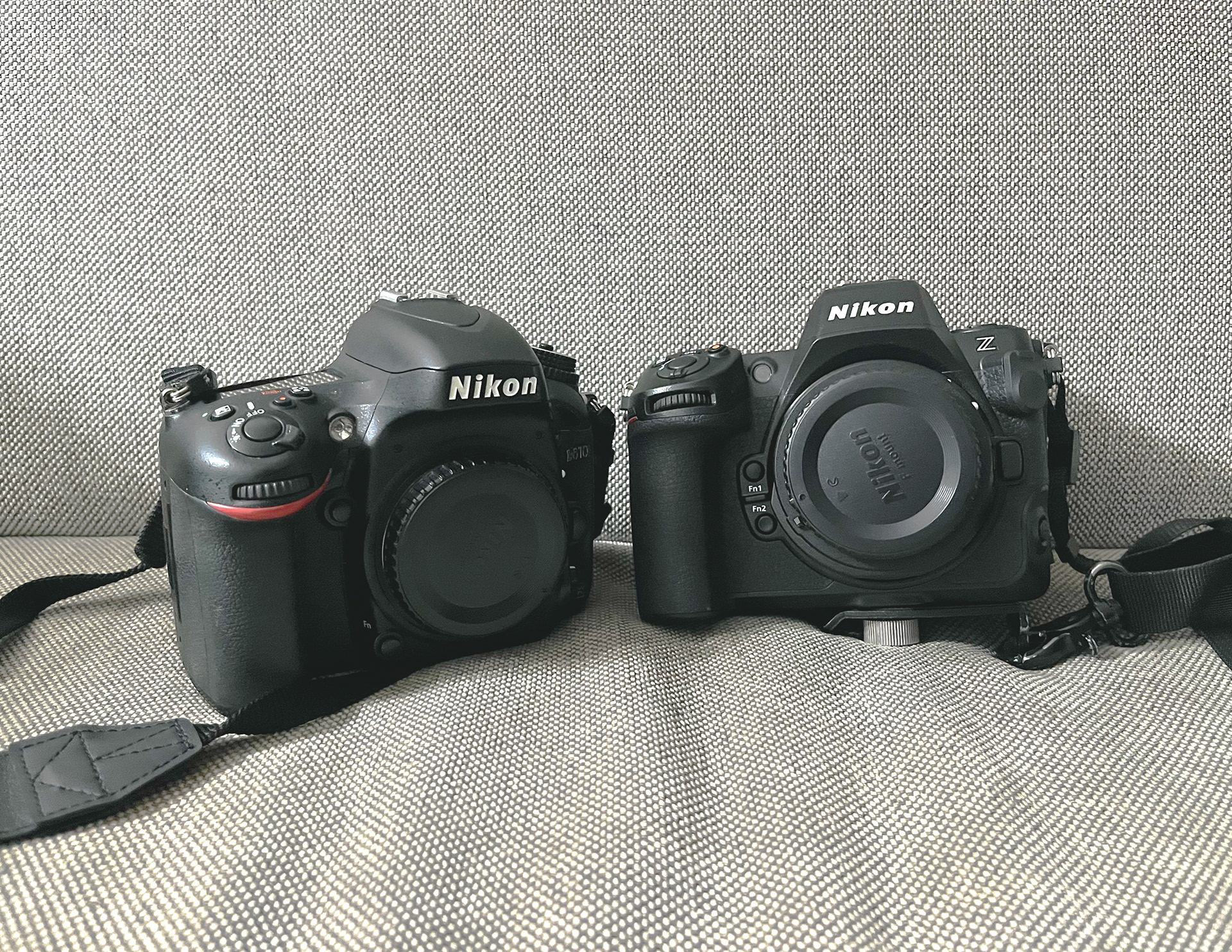
A used DSLR is not bad if you're just testing the waters. You could get an excellent quality DSLR with one or two lenses for less than 1000 CAD.
Examples:
Body: Nikon D800, D7500, Canon Rebel T6S, Rebel T6I, EOS 70D
Lenses: Nikon/Canon 50mm f1.8, Nikon/Canon 55-250 f4-5.6, Nikon 35mm f1.8, Nikon 40mm f2.8 Micro
A low to mid-range mirrorless camera is the best bet for keen enthusiasts.
Examples:
Body: Nikon Zfc, Z5, and Z6, Canon RP, R8, and R10, Sony Alpha 6400, 6600, and 6700
Lenses: Generally, the mid-range kit lenses are pretty good
Those pursuing serious photography can get a full-frame DSLR or mirrorless camera with appropriate lenses based on their specialization.
Body: Nikon D850, Z7, Z8, and Z9, Canon 5d MK IV, R5, and R6, Sony Alpha 7RM5, 7CM2, and 7CR
Lenses: Depends on interest (Usually specialized, like macro, telephoto, etc.)
At the end of the day, you don't need anything fancy to train your eyes and see great composition. All you need is an interest. Some basic art knowledge helps, too!